Perma-Fix provides transportation and PFAS destruction services for AFFF recovered during the decontamination of airport firefighting vehicles across Michigan
August 18, 2026
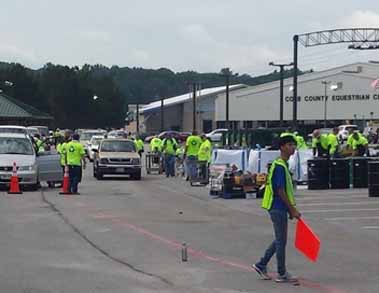
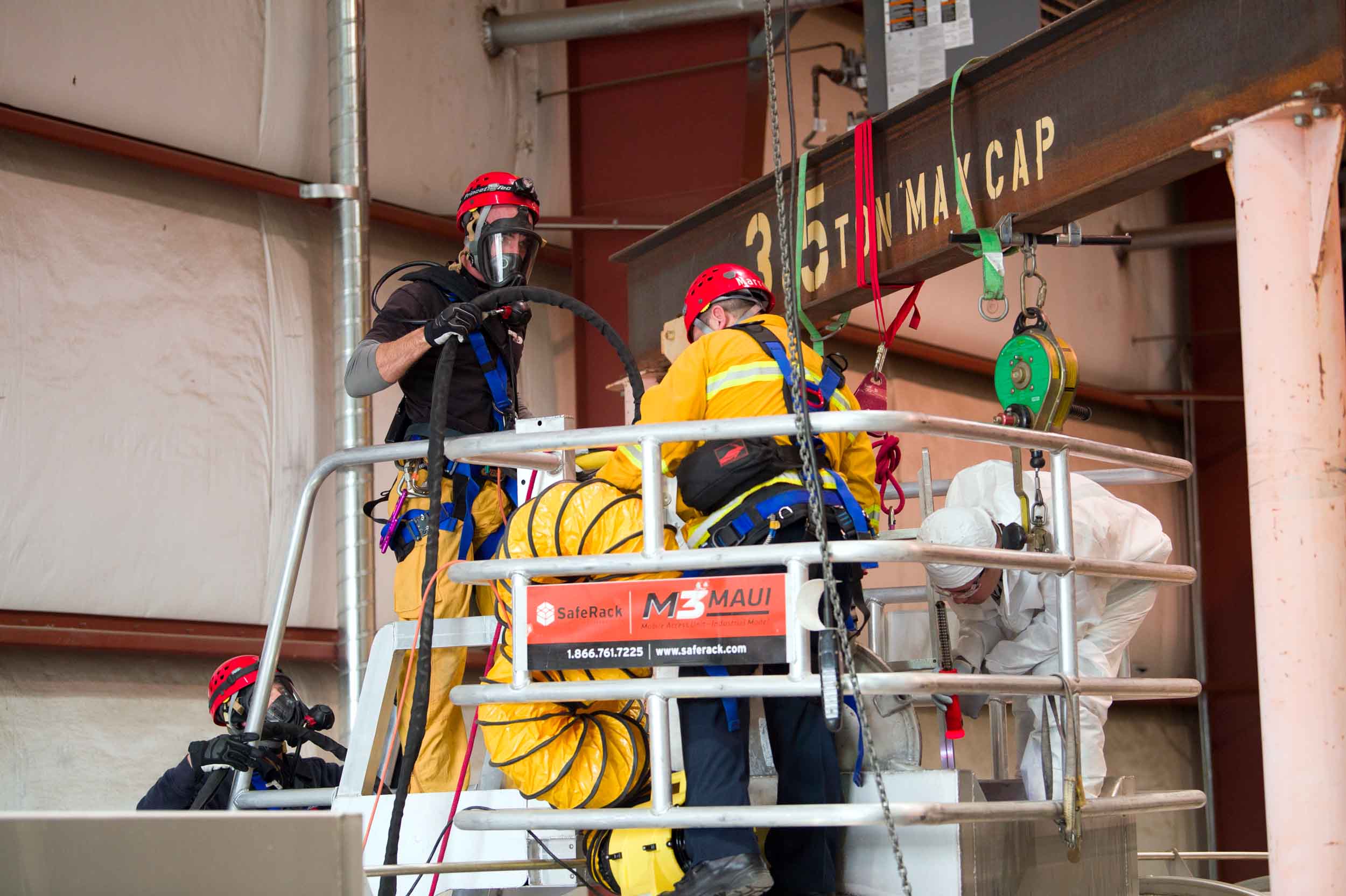
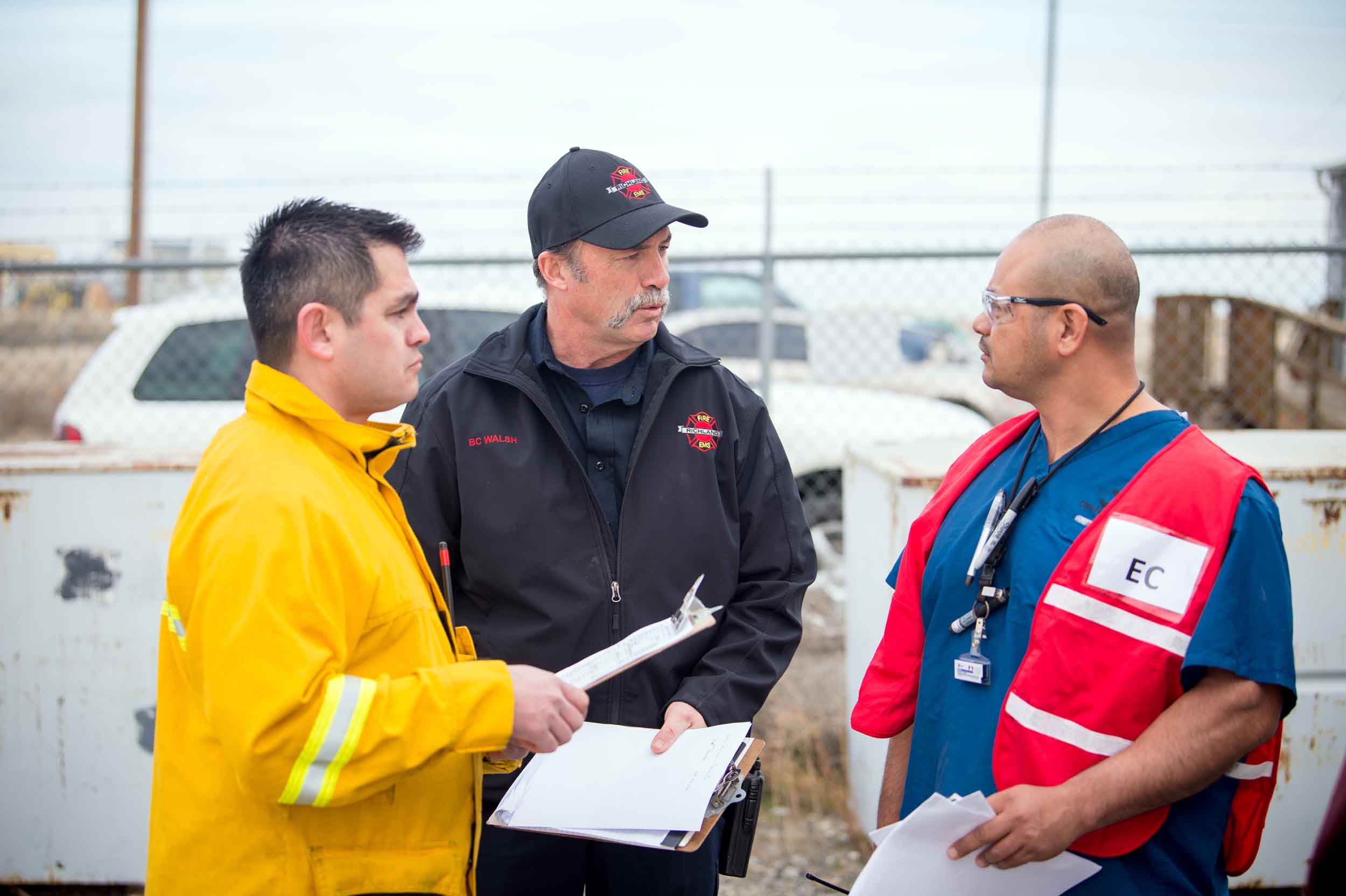
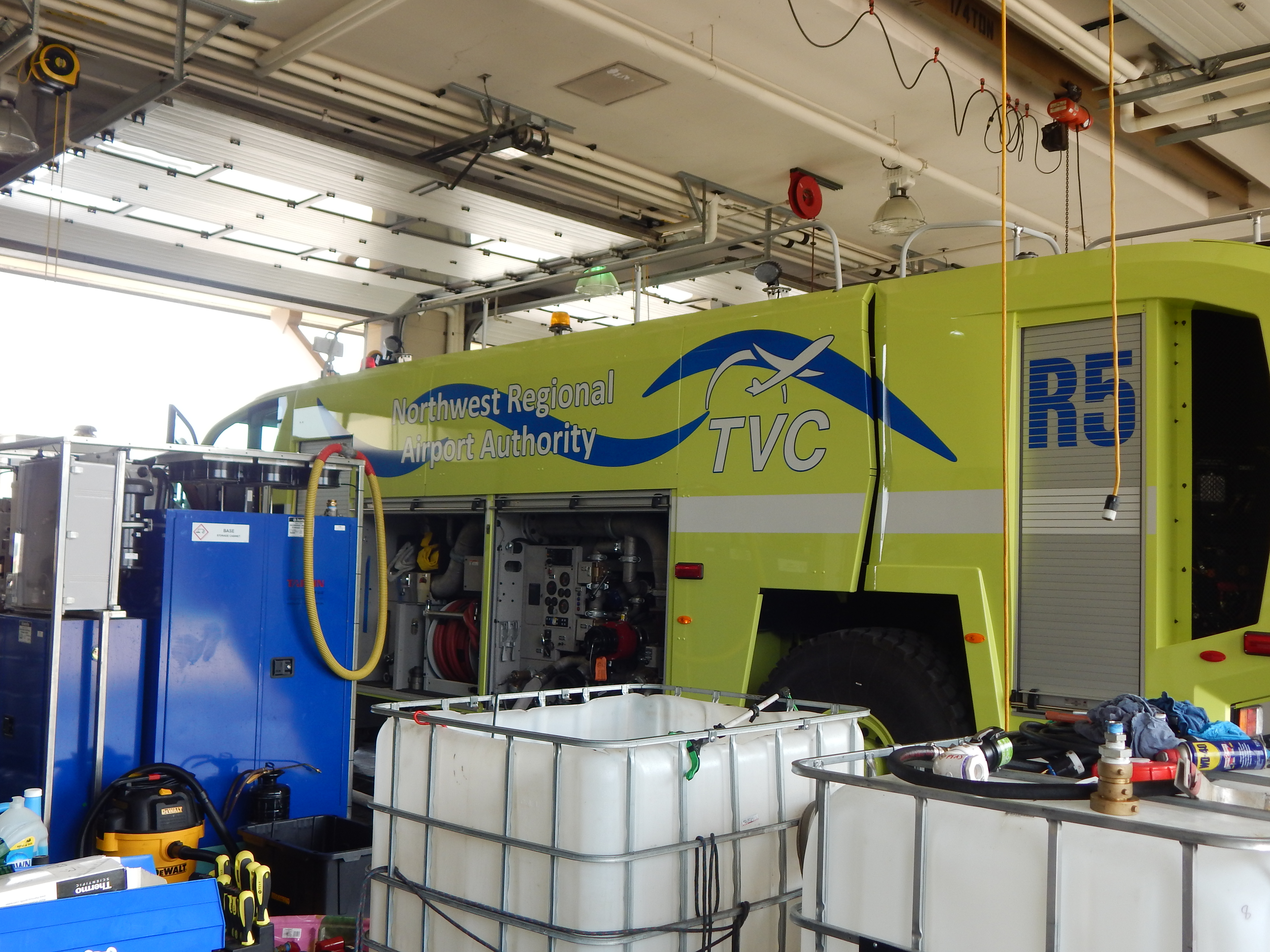
Perma-Fix Environmental Services is proud to support Michigan-based environmental contractor Taplin Group as it advances one of the state's most active airport PFAS response efforts. Through Michigan's $9 million EGLE PFAS Response Grant, Taplin Group is currently transitioning and decontaminating Aircraft Rescue and Firefighting (ARFF) vehicles at five-and counting-Michigan airports. The work is helping remove legacy aqueous film-forming foam (AFFF) from service and supporting the transition to fluorine-free firefighting foam. As part of this effort, Perma-Fix provides transportation and destruction services for the recovered PFAS-containing AFFF and associated materials.
From AFFF Removal to PFAS Destruction
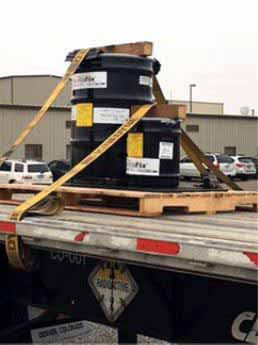
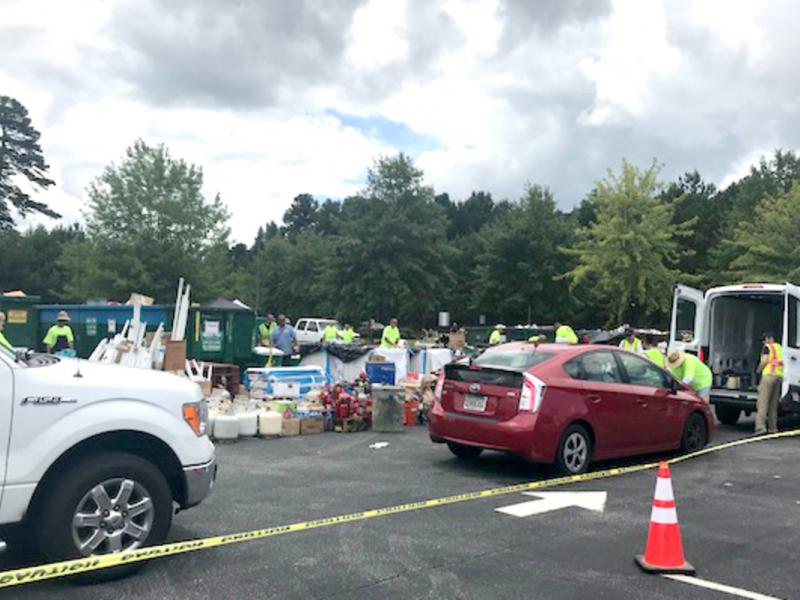
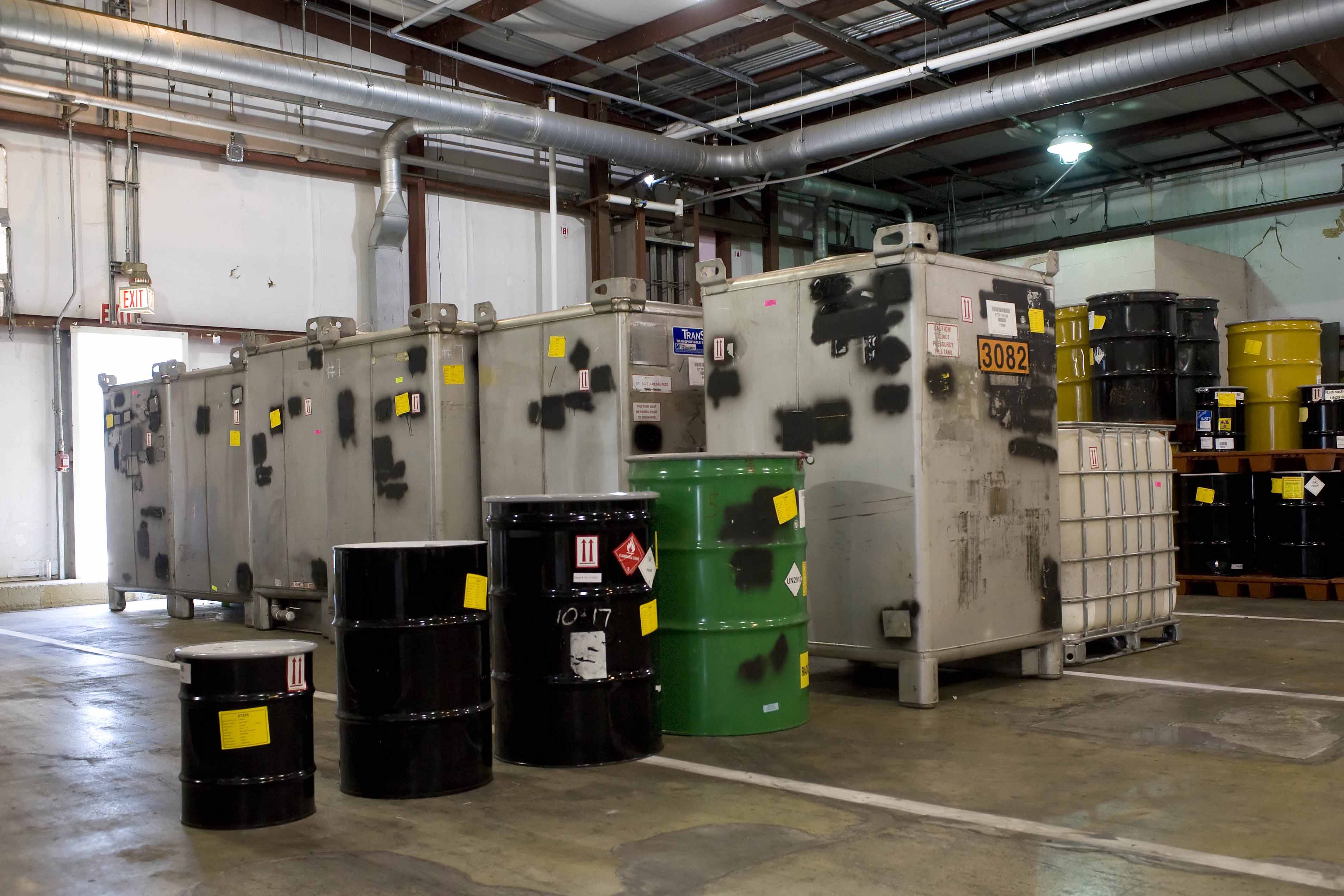
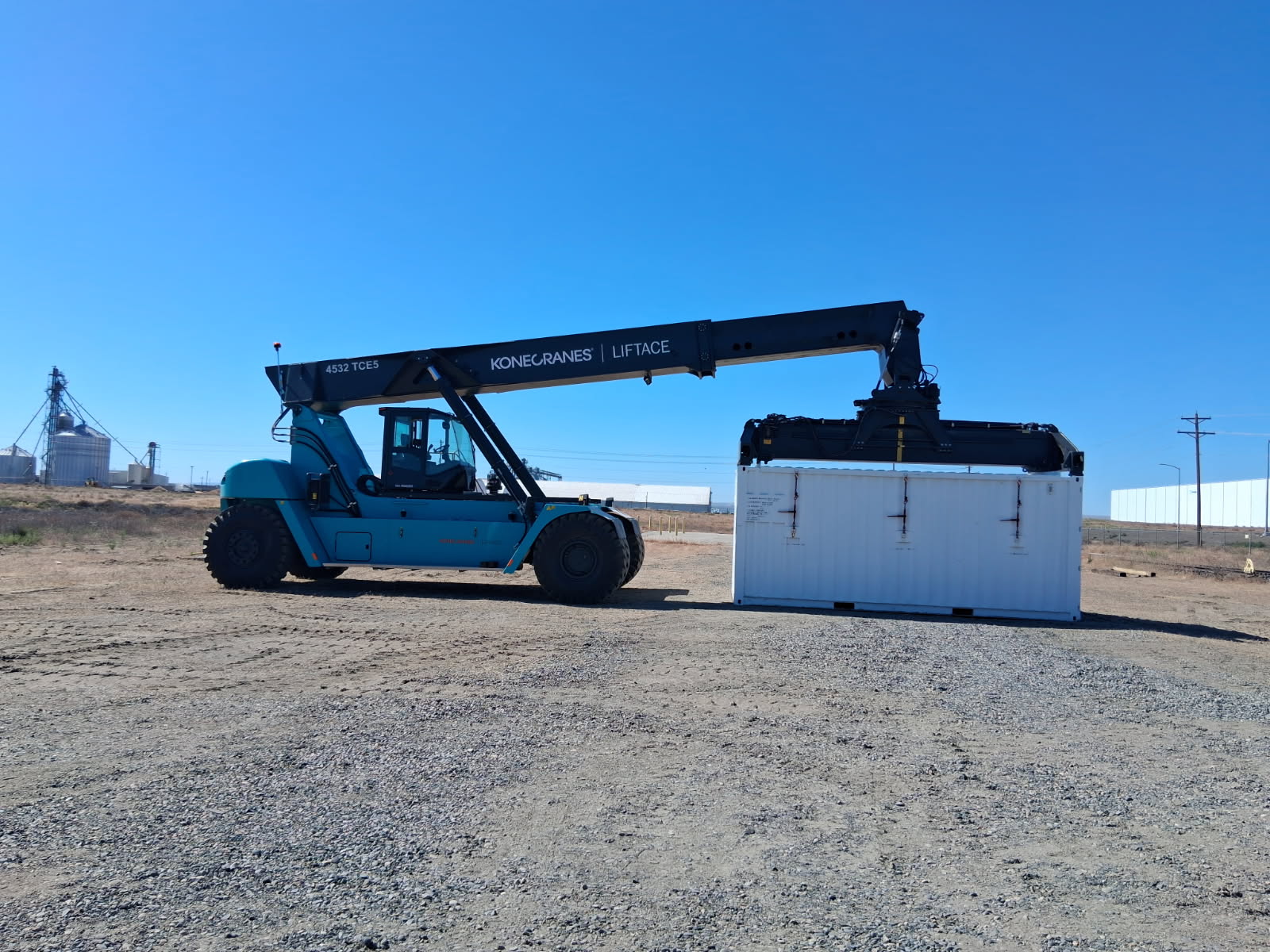
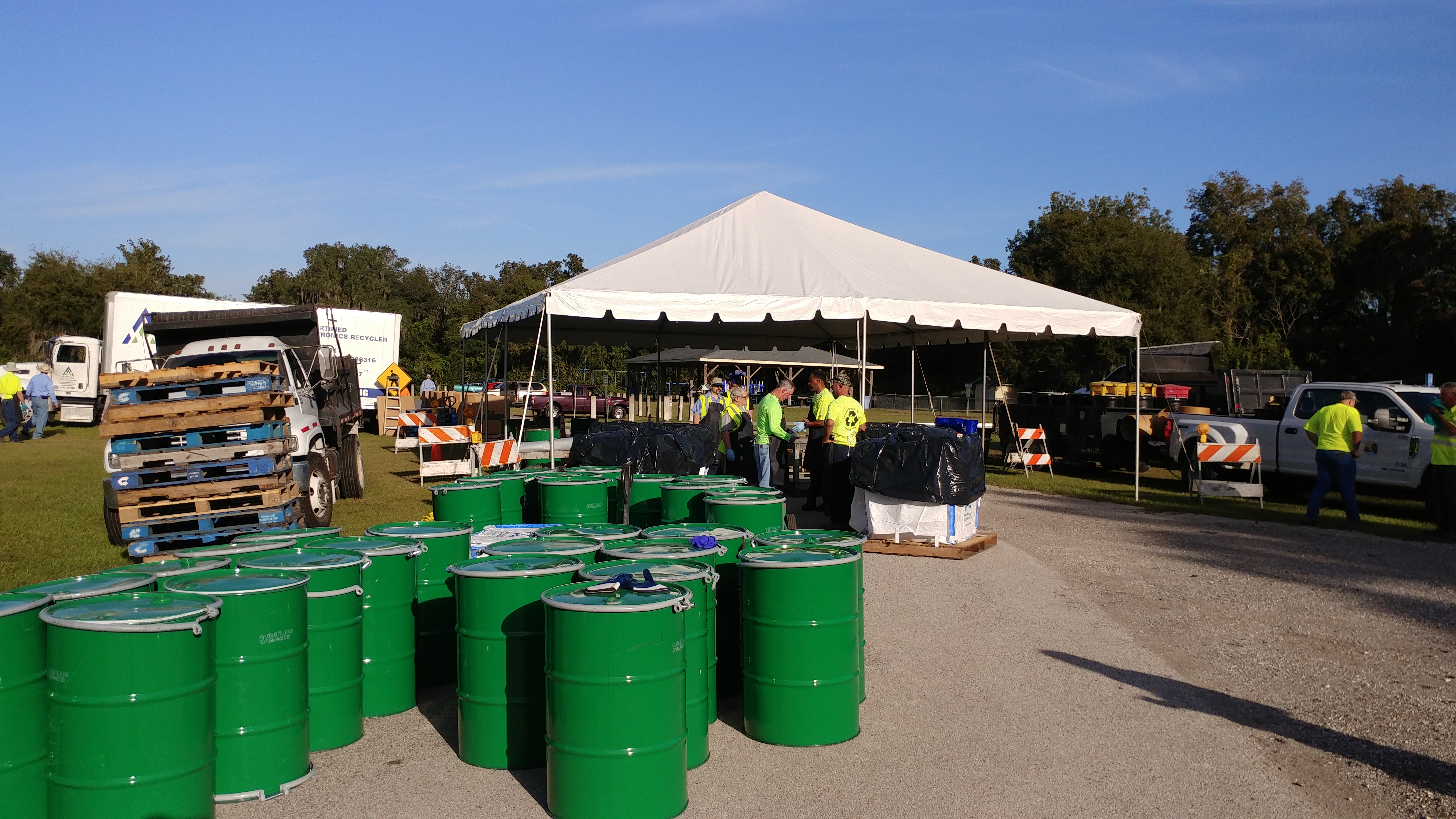
During the decontamination process, Taplin crews clean ARFF vehicles and transfer the recovered PFAS-containing material into 275-gallon totes for transportation. That's where Perma-Fix comes in. Perma-Fix transports the recovered material from the airport sites and receives it for proper management and PFAS destruction. Removing legacy AFFF from firefighting equipment is an important step, but removal alone does not eliminate PFAS. Once the material is collected, organizations still need a responsible solution for managing and ultimately destroying the PFAS-containing waste. Remove the AFFF. Transport the material. Destroy the PFAS. This project demonstrates how Perma-Fix can help complete that critical final stage.
Why AFFF Destruction Matters
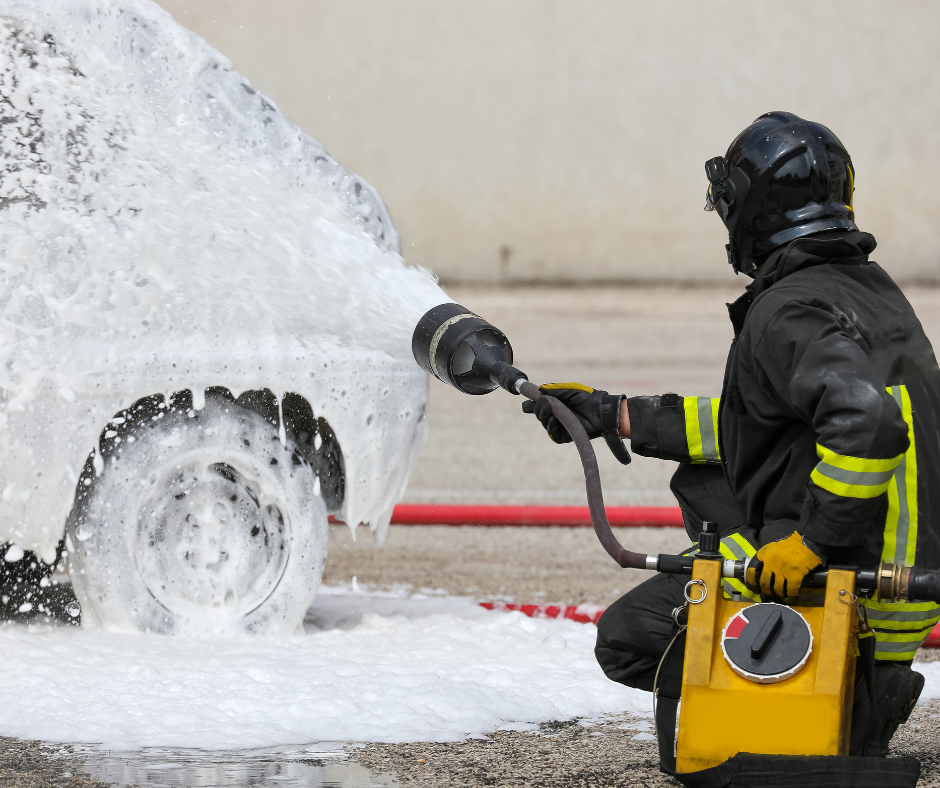
For decades, AFFF has been used to suppress high-hazard flammable-liquid fires, particularly at airports, military installations and industrial facilities. Many legacy AFFF formulations contain per- and polyfluoroalkyl substances (PFAS), a group of highly persistent chemicals that do not readily break down in the environment. As airports and other facilities transition away from PFAS-containing firefighting foams, significant quantities of legacy AFFF, rinsate and other PFAS-containing materials must be properly managed. This creates an increasingly important question: What happens to PFAS after it is removed? Perma-Fix is focused on the answer... PFAS destruction.
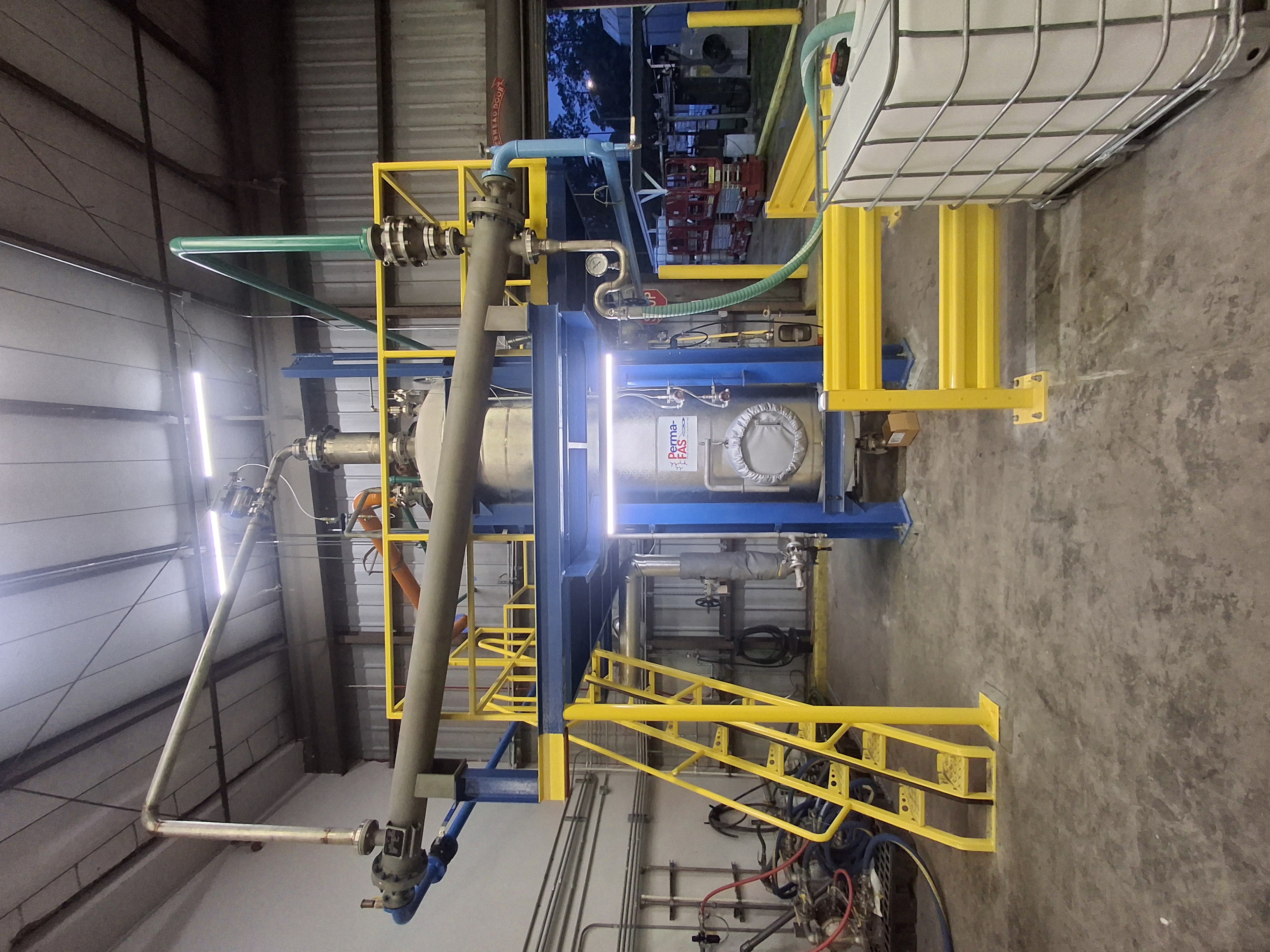
Perma-FAS™ PFAS Destruction Technology
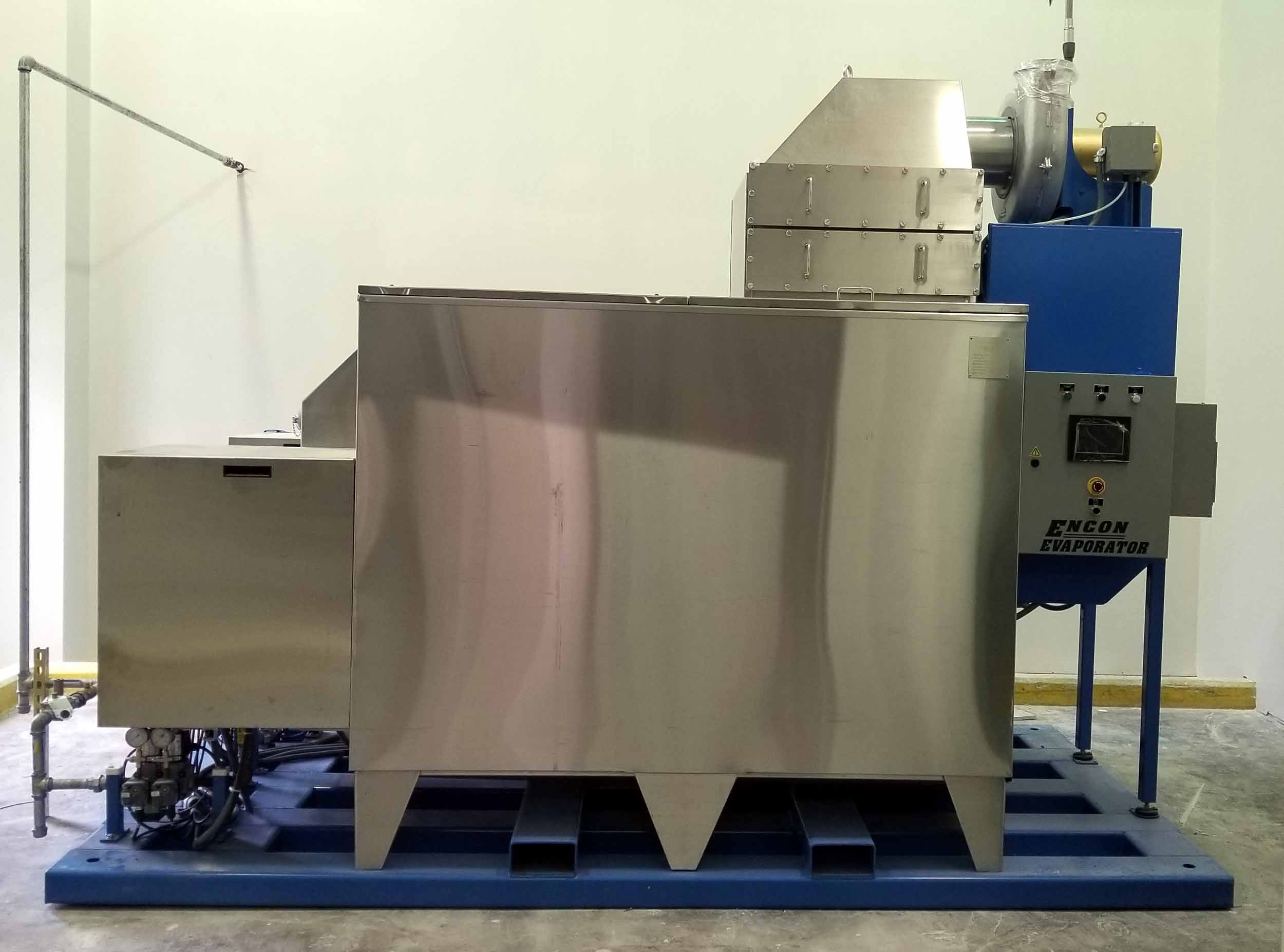
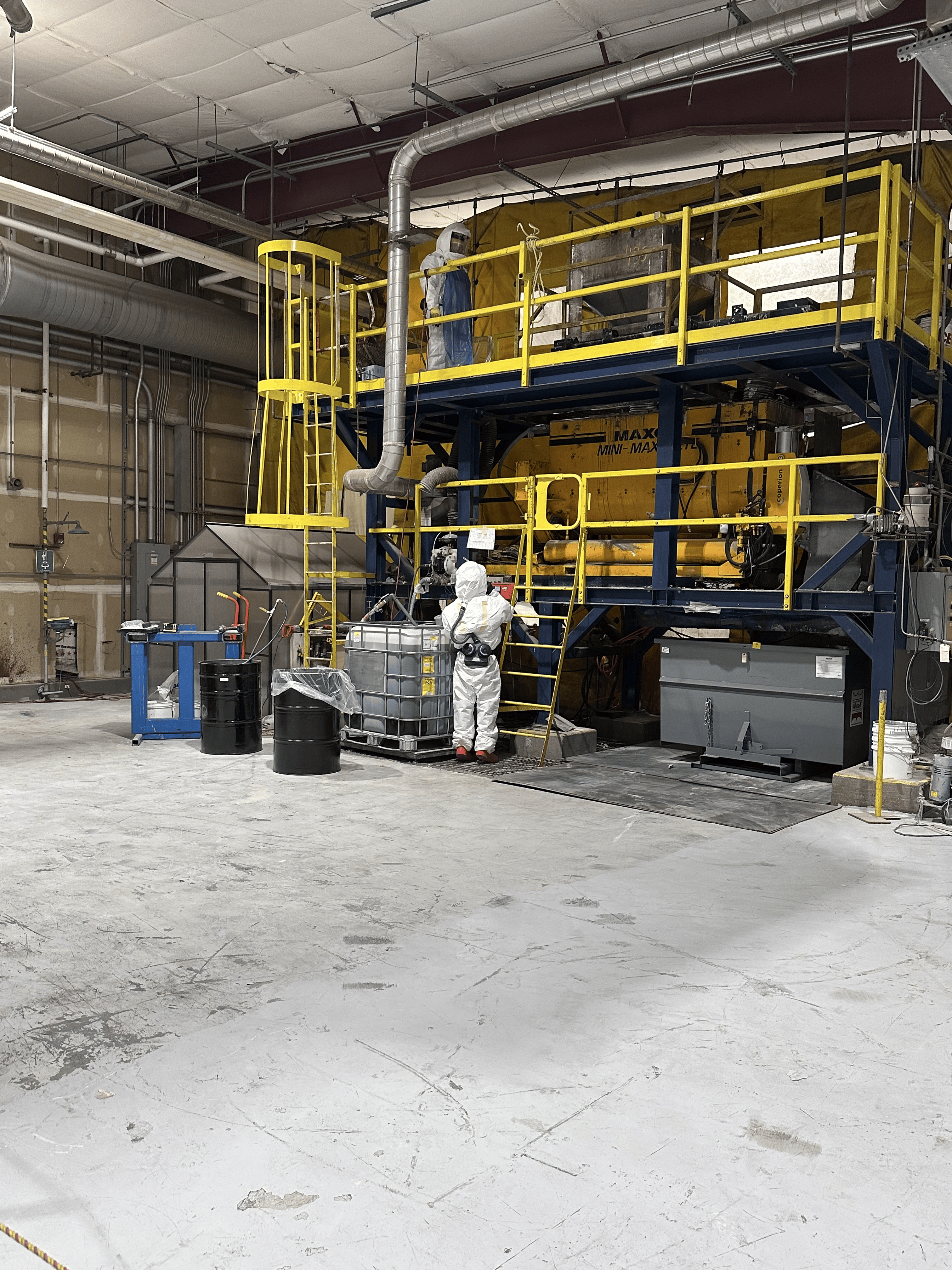
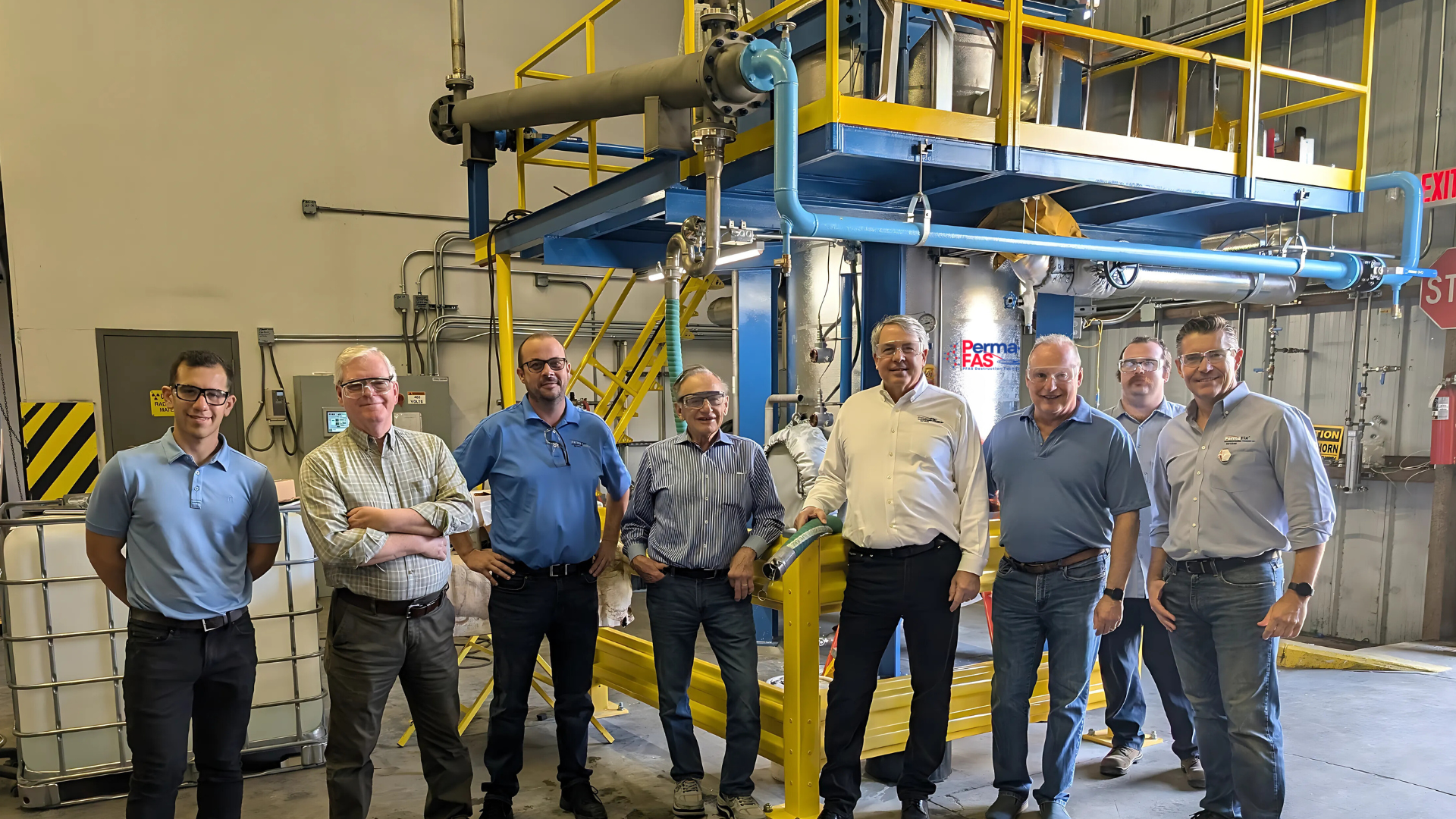
Perma-Fix is applying its decades of environmental treatment experience to this growing challenge through Perma-FAS™ PFAS destruction technology. Perma-FAS™ is designed to provide a destruction pathway for PFAS-containing materials, helping customers move beyond simply transferring PFAS waste from one location to another. Combined with Perma-Fix's transportation and environmental management capabilities, this approach can provide an important pathway for organizations seeking solutions for PFAS destruction, AFFF destruction and PFAS-containing waste management.
Supporting Michigan's PFAS Response
Michigan awarded approximately $9 million to 19 municipal airports to address PFAS associated with the historical use of firefighting foam. The program supports activities including PFAS testing and monitoring, source-control evaluations, firefighting equipment decontamination and replacement of firefighter turnout gear. Perma-Fix is proud to work alongside Taplin Group and contribute to an initiative focused on reducing PFAS risks and protecting Michigan's communities and environment. The work also illustrates a broader challenge facing airports, fire departments, military installations and industrial facilities nationwide: removing PFAS is only part of the solution. The next step is addressing the PFAS-containing material itself. At Perma-Fix, our focus is helping customers take that next step, from AFFF removal to PFAS destruction.
Learn More About PFAS and AFFF Destruction
Looking for a solution for PFAS destruction, AFFF destruction or PFAS-containing waste? Learn how Perma-Fix and Perma-FAS™ PFAS destruction technology can support your organization's PFAS management needs. Contact Perma-Fix to discuss your PFAS or AFFF destruction project.
.png)
.jpg)
.jpg)
.png)





%20_M&EC%20Aerial%20Photo.jpg)